
- Show All
- AUTO RECONDITIONING MACHINES
- AXLE STANDS
- BATTERY CHARGERS
- ENGINE STANDS
- GREASE & OILS
- HYDRAULIC BODY JACKS
- HYDRAULIC BOTTLE JACKS
- HYDRAULIC TOE JACKS
- HYDRAULIC TROLLEY JACKS
- HYD ENGINE CRANES
- HYD MOTORCYCLE LIFT
- HYD TRANSMISSION JACKS
- HYD SPRING COMPRESSOR
- HYD VEHICLE POSITIONING JACK
- GARAGE ESSENTIALS
- OIL DRAIN TANK
- PANEL BEATING EQUIPMENT
- WORKSHOP PRESSES

Thread taps are made from tough materials like High-Speed Steel (HSS), Cobalt Steel (HSS-E), Solid Carbide, and Powdered Metal (PM-HSS) for durability, with coatings (like TiN or TiCN) added for hardness and heat resistance, allowing them to cut threads in materials from soft aluminium to hardened steels, stainless, and exotic alloys.
Common Tap Materials
• High-Speed Steel (HSS): The standard, affordable choice for general use on mild steel, aluminium, brass, and soft stainless.
• Cobalt High-Speed Steel (HSS-E): HSS alloyed with 5-8% cobalt, offering better hardness, heat, and wear resistance for tougher materials like stainless steel, cast iron, and titanium.
• Solid Carbide: Extremely hard and heat-resistant (tungsten-carbide based), ideal for hardened steels (HRC 45+), nickel alloys, and titanium, but brittle. • Powdered Metal (PM-HSS): Made from compressed metal powders, providing superior wear resistance and durability over standard HSS for tool steels and high-tensile alloys.
• Surface Coatings (Applied to HSS/Cobalt Taps) Titanium Nitride (TiN): Increases hardness and wear resistance, good for general use on steel, aluminium, stainless.
• Titanium Carbonitride (TiCN): More durable than TiN, excellent for stainless steel, cast iron, and aluminium alloys.
• Aluminium Chromium Nitride (AlCrN/AlCrTiN): Offers high heat and wear resistance for aerospace, titanium, and tough stainless applications.
• Nitrided/Black Oxide: Reduces friction and galling, good for cast iron, stainless, and titanium.
- Choosing the Right Material/Coating
• For Soft Metals (Aluminum, Copper, Plastics): Standard HSS, bright finish, or TiN.
• For Medium Hardness (Mild Steel, Stainless): Cobalt HSS (HSS-E), TiN, or TiCN coatings.
• For Hard/Tough Metals (Hardened Steel, Titanium, Nickel Alloys): Solid Carbide, Cobalt HSS, or advanced coatings like AlCrN/AlCrTiN
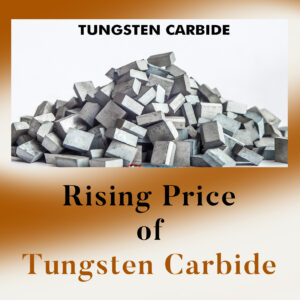
The price of tungsten carbide has risen significantly, with reports in 2025 indicating that tungsten powder prices increased by roughly 37-38% year-on-year, and some cutting tool costs more than doubled in less than two years. This surge is driven by a combination of tight supply, high demand, and increased production costs.
Here are the key reasons for the price increase:
- Supply Chain Constraints (China Dominance)
Reduced Exports: China, which controls over 80% of global tungsten production, reduced export quotas and supply of ammonium paratungstate (APT)—the key raw material for carbide—by 15% in early 2024.
Safety and Environmental Inspections: Strict environmental and safety checks in Chinese mining hubs like Hunan and Jiangxi provinces have significantly reduced mine operating rates, dropping to just 35% in some cases, causing a 200-ton weekly drop in tungsten concentrate.
Resource Management: Suppliers are holding back resources, creating scarcity in the market.
- Exploding Demand
High-Growth Sectors: Demand is surging from sectors like new energy (wind turbines, electric vehicles, lithium-ion batteries), defense, and aerospace.
Machining Hard Materials: The increased use of titanium and nickel-based alloys in manufacturing requires more durable tools, putting further pressure on tungsten supplies.
- Rising Production Costs
Energy Costs: The sintering process to create tungsten carbide is energy-intensive. Natural gas and electricity prices in Europe and Asia increased by 30%, adding to the production cost.
Raw Material and Labor Costs: The cost of raw materials (including cobalt) has risen, along with labor costs.
- Market Factors
Stockpiling and Speculation: Fear of shortages has led to increased, sometimes speculative, purchasing, while holders of tungsten are reluctant to sell, driving up prices.
Geopolitical Issues: Trade tensions and conflicts have disrupted supply chains and increased insurance/freight rates.
Impact on Industry
The high prices have led to a “step-change” in cost structures, meaning they are likely to remain high for some time, rather than experiencing a temporary fluctuation. In response, many companies are increasing their use of carbide recycling, as scrap prices have also risen sharply.